Understanding Rosacea and Treatment Options
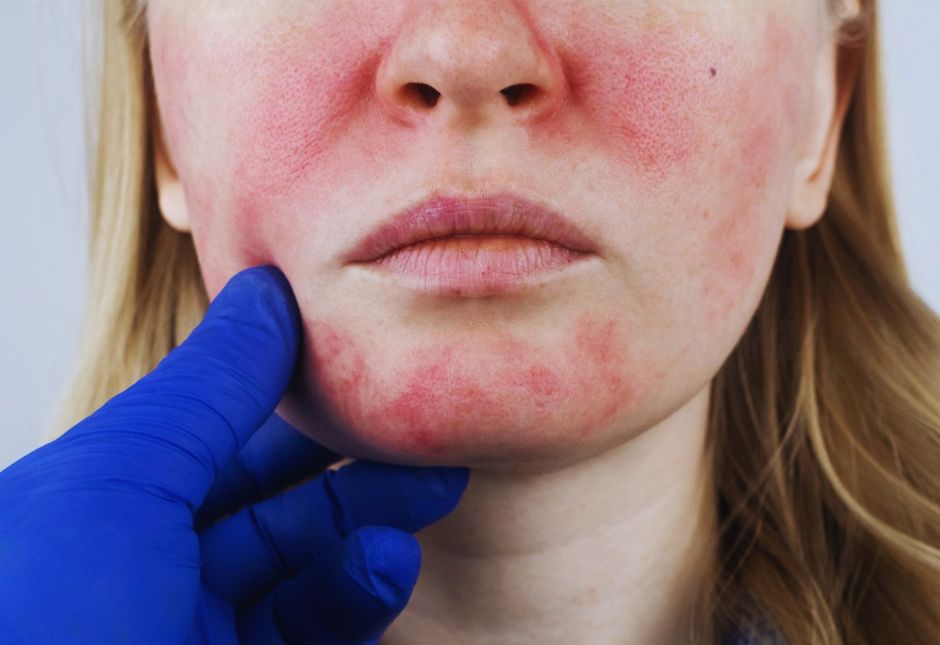
Rosacea is a chronic inflammatory skin condition that primarily affects the central face.
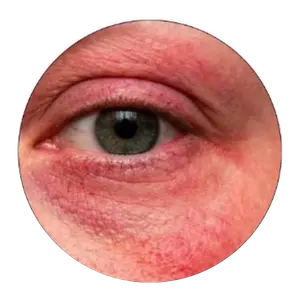
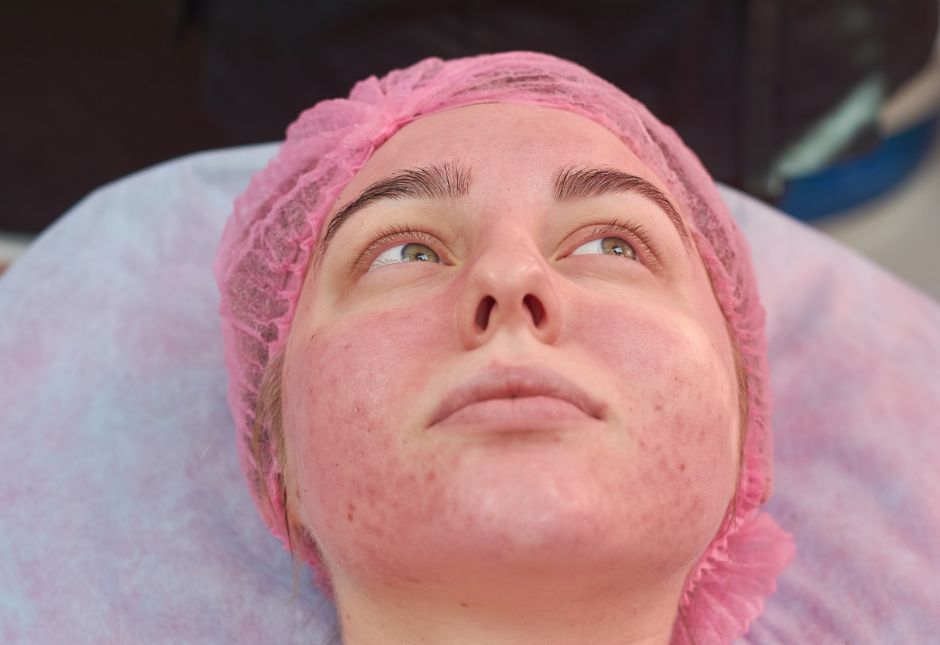
It can cause persistent redness, flushing, visible blood vessels, inflammatory lesions and skin sensitivity. Symptoms can vary between individuals and may fluctuate over time.
The exact cause of rosacea is not fully understood. It is thought to involve a combination of:
The exact cause of rosacea is not fully understood. It is thought to involve a combination of:
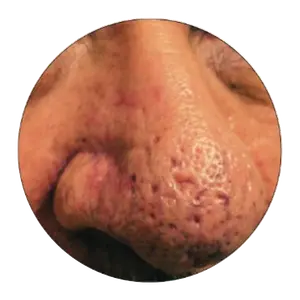
Rosacea can present in several different clinical forms, including:
Some patients may experience features of more than one subtype.
Contributing Factors
Rosacea can be aggravated by a range of environmental and lifestyle factors. Common triggers include:
Genetic factors and Demodex may also contribute in some individuals.
How Rosacea is Assessed
Rosacea is assessed according to a number of clinical features, including:
How We Can Help
Rosacea can present differently from person to person and may involve a combination of redness, flushing, visible blood vessels, inflammatory breakouts and skin sensitivity.
At Fremantle Skin Cancer Clinic, your skin can be assessed to better understand the features of your rosacea and identify factors that may be contributing to flare-ups.
Management may include advice around skincare and trigger reduction, medical treatment where appropriate and treatment options designed to address concerns such as persistent redness, visible blood vessels or inflammatory symptoms.
Because rosacea is a chronic condition that can change over time, ongoing management and regular review may also be recommended.