Fremantle Skin Cancer Clinic

Pigmentation & Melasma

Understanding Pigmentation and Melasma

Pigmentation concerns can develop for a number of reasons and may present as localised spots, patches or more diffuse changes in skin colour.

Melasma is a chronic pigmentary disorder that commonly presents as symmetrical areas of brown or grey-brown pigmentation, most often on the face. Accurate assessment is important, as different types of pigmentation can respond differently to treatment.

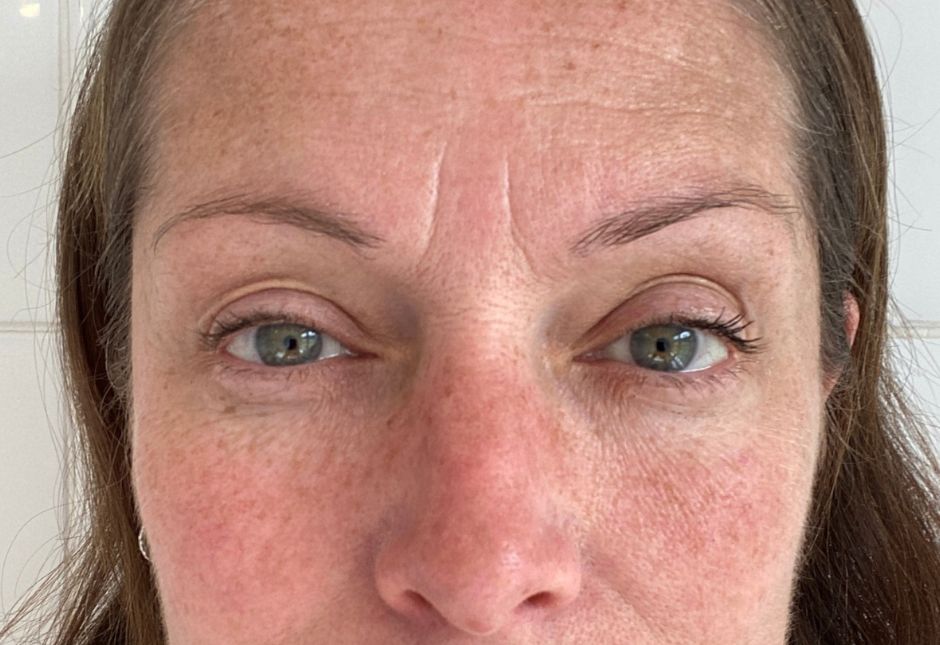
Facial melasma with symmetrical brown pigmentation and redness across the cheeks and nose

Pathogenesis

Pigmentation disorders can involve:

01

Melanocyte Hyperactivity

Increased activity of melanocytes, the cells responsible for producing melanin.

02

Increased Melanin Production

Overproduction of melanin, leading to the development of darker areas on the skin.

03

Dermal Pigment Deposition

Melanin becomes deposited deeper within the skin, contributing to persistent pigmentation.

04

Vascular Changes

Changes in the skin’s blood vessels that may contribute to pigmentation, particularly in some cases of melasma.

The depth and location of pigmentation within the skin can influence how it responds to treatment.

skin pigmentation steps

Types of Pigmentation

Common types of pigmentation include:

Melasma Subtypes

Melasma may be classified according to the depth and characteristics of the pigmentation:

Vascular changes may also contribute to melasma in some patients.

Grading

 Pigmentation is assessed according to:

Contributing Factors

A number of factors can contribute to pigmentation and melasma, including:

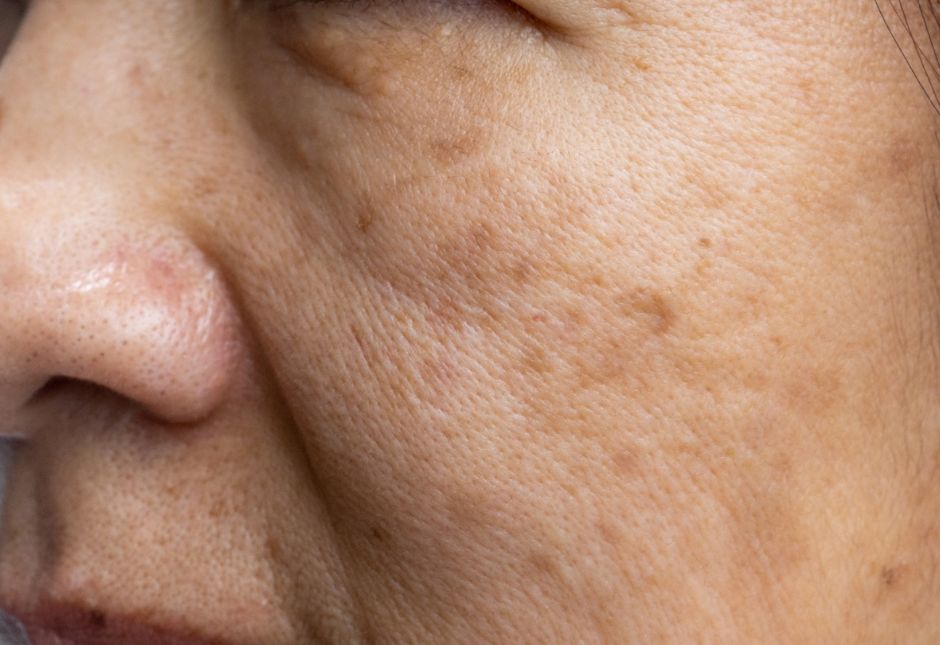
Close-up of facial pigmentation with uneven brown patches and sun-related pigmentation on the cheek

Melasma Prevention