Understanding Pigmentation and Melasma
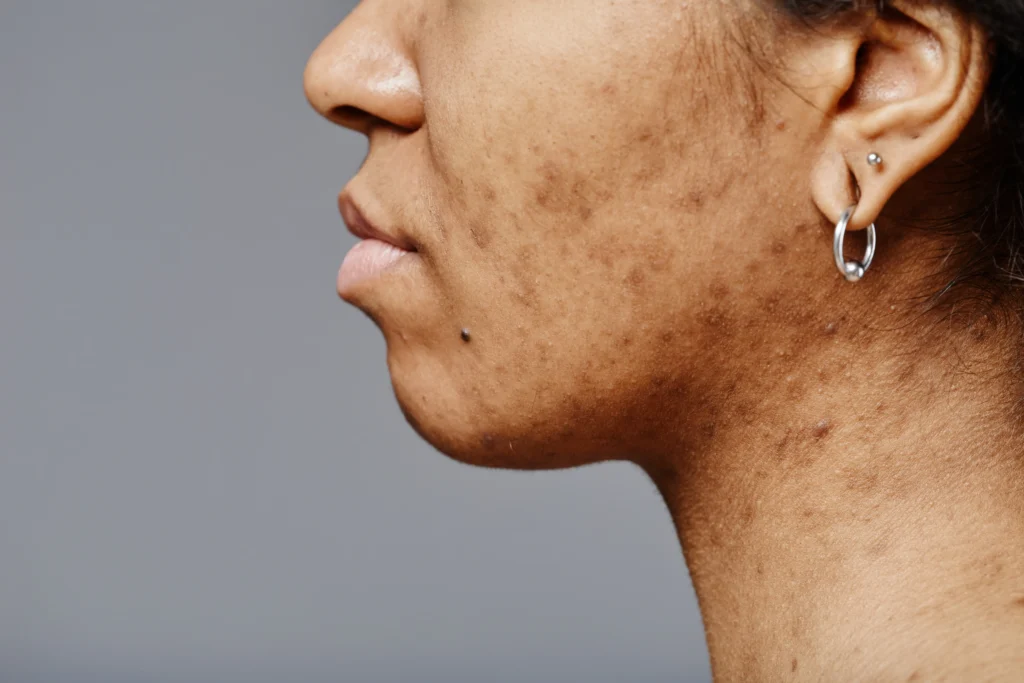
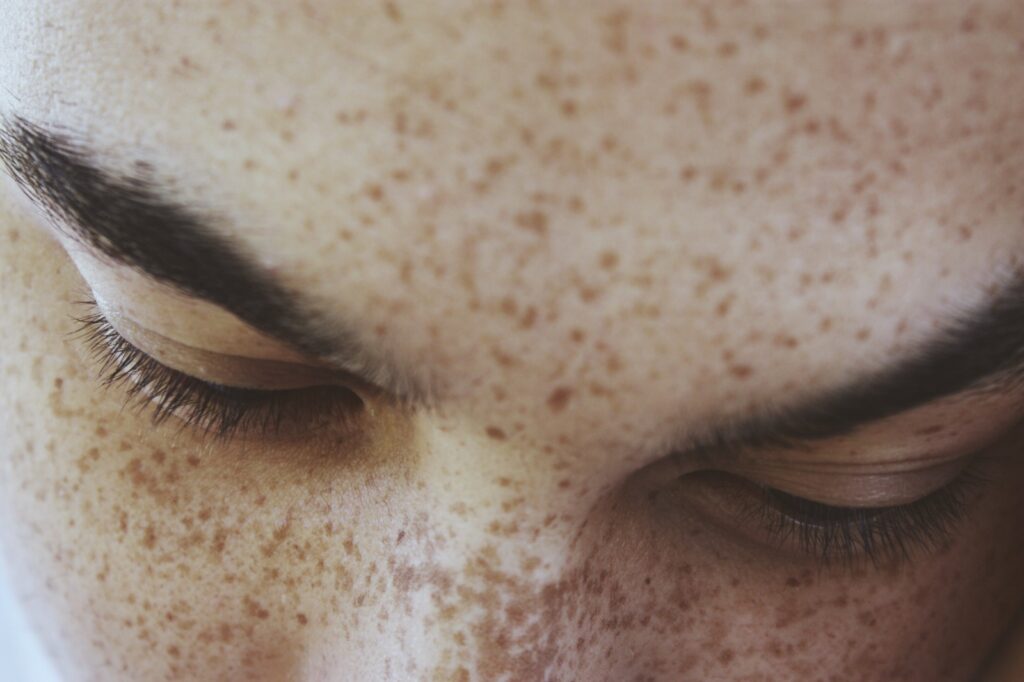
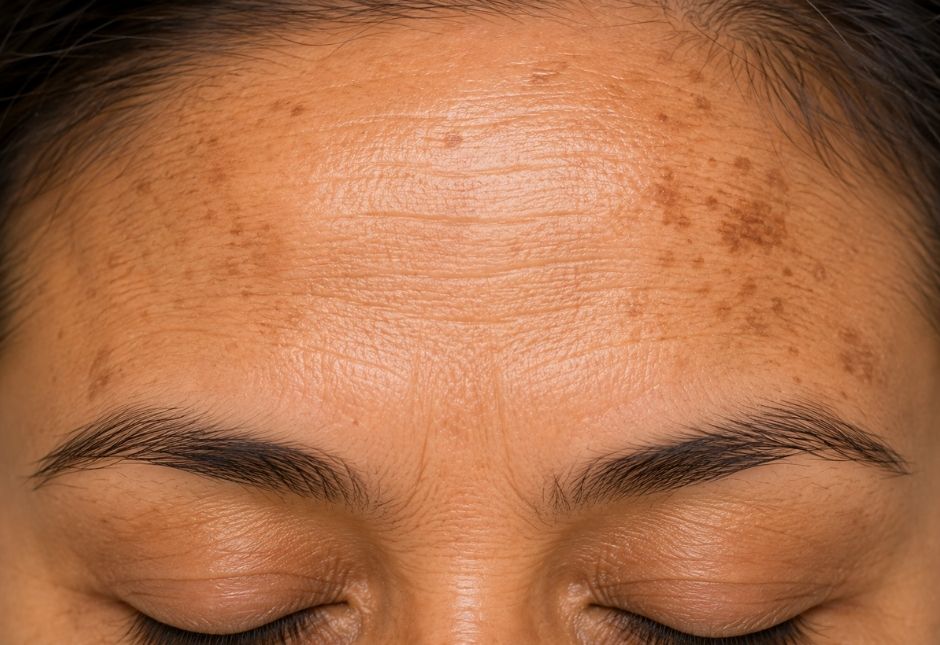
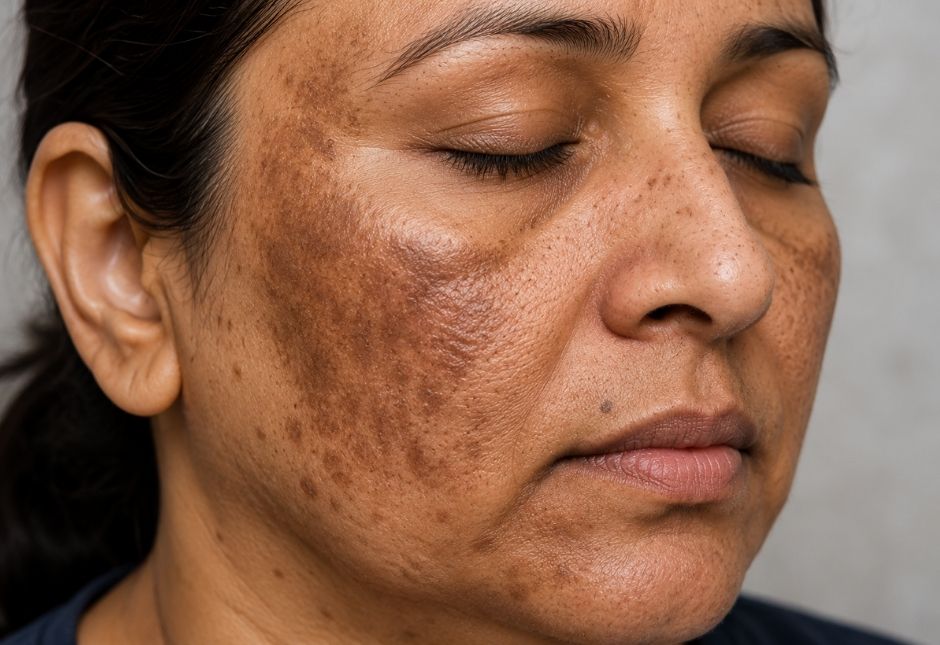
Pigmentation concerns can develop for a number of reasons and may present as localised spots, patches or more diffuse changes in skin colour. Melasma is a chronic pigmentary disorder that commonly presents as symmetrical areas of brown or grey-brown pigmentation, most often on the face. Accurate assessment is important, as different types of pigmentation can respond differently to treatment.
Pathogenesis
Pigmentation disorders can involve:
- Melanocyte hyperactivity, increased activity of the cells responsible for producing melanin.
- Increased melanin production
- Dermal pigment deposition
- Vascular changes, particularly in some cases of melasma.
The depth and location of pigmentation within the skin can influence how it responds to treatment.
Types of Pigmentation
Common types of pigmentation include:
Melasma Subtypes
Melasma may be classified according to the depth and characteristics of the pigmentation:V
Vascular changes may also contribute to melasma in some patients.
Contributing Factors
A number of factors can contribute to pigmentation and melasma, including:
Grading
Pigmentation is assessed according to:
Mild
Azelaic acid, vitamin C, niacinamide, retinoids, strict SPF.
Moderate
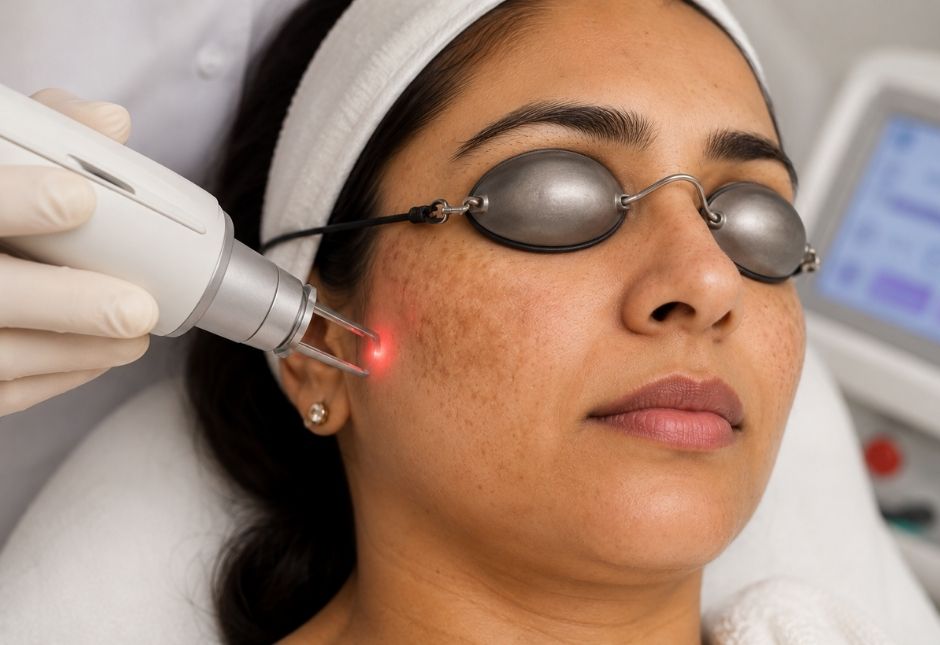
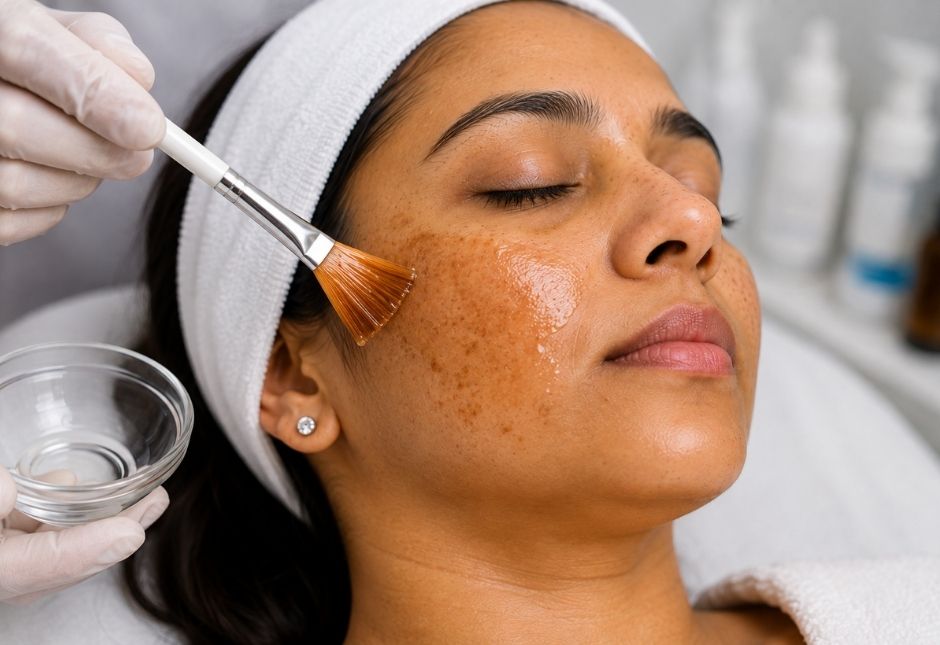
Combination topicals, hydroquinone (short courses), peels, laser toning, microneedling.
Moderate–Severe
Triple therapy, advanced peels, Q-switched/picosecond lasers, vascular lasers, oral tranexamic acid.
Severe
Multimodal therapy, long-term maintenance, dermatology referral.