Clinical Overview and Management
Understanding Rosacea and Treatment Options
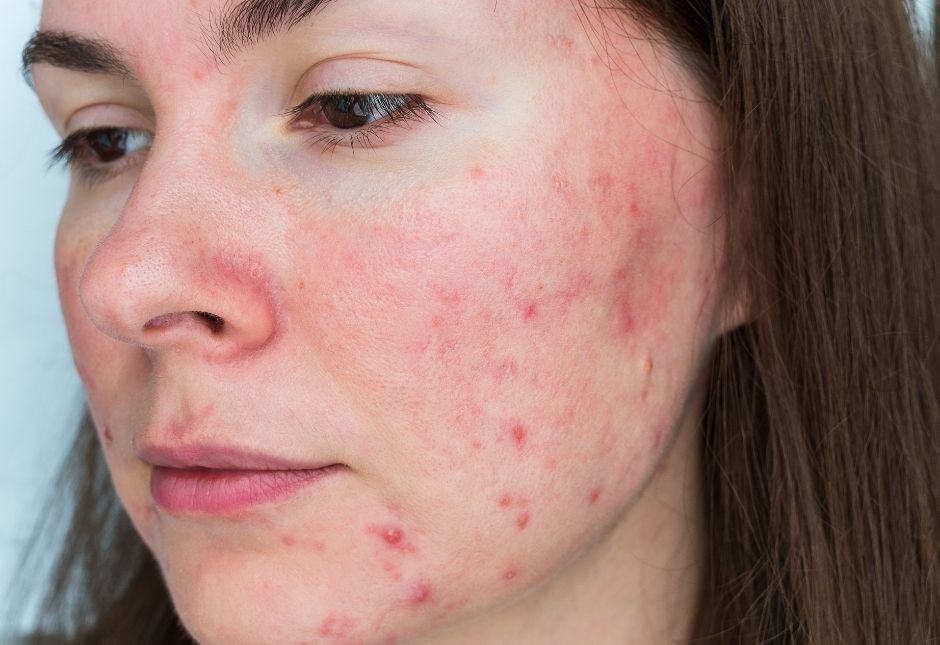
Rosacea is a chronic inflammatory skin condition that primarily affects the central face.
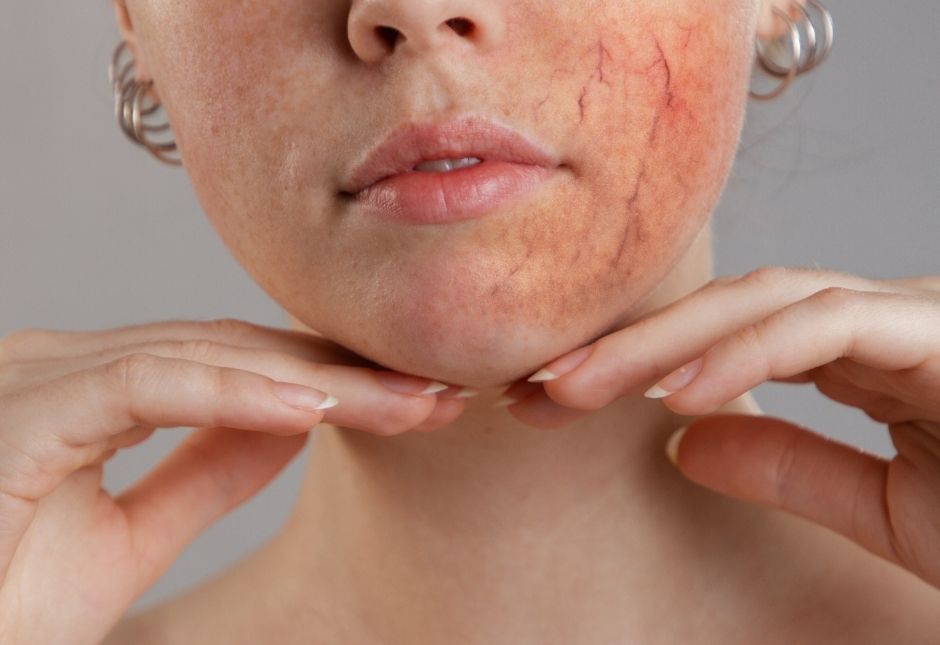
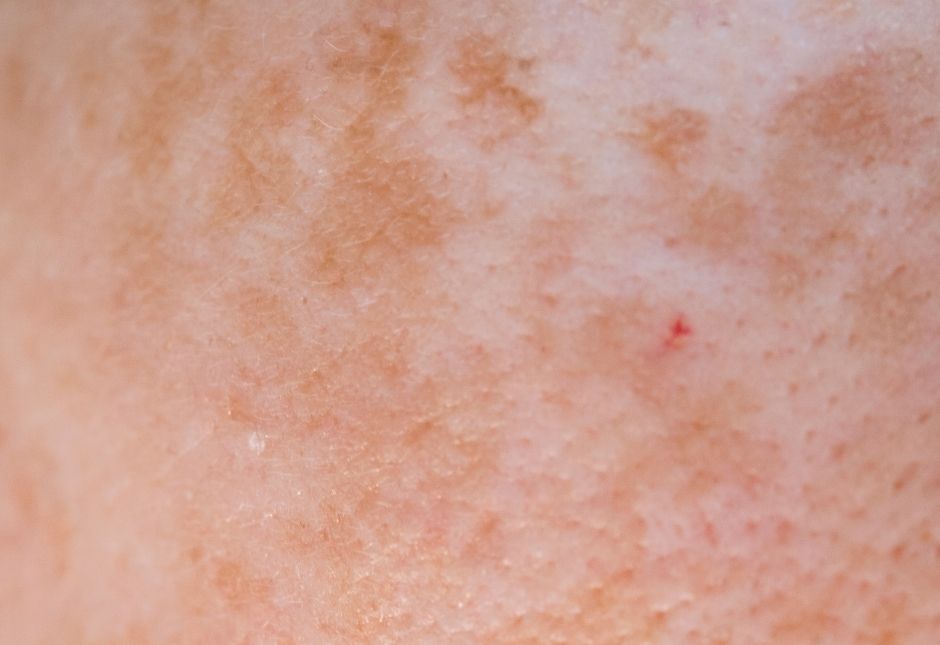
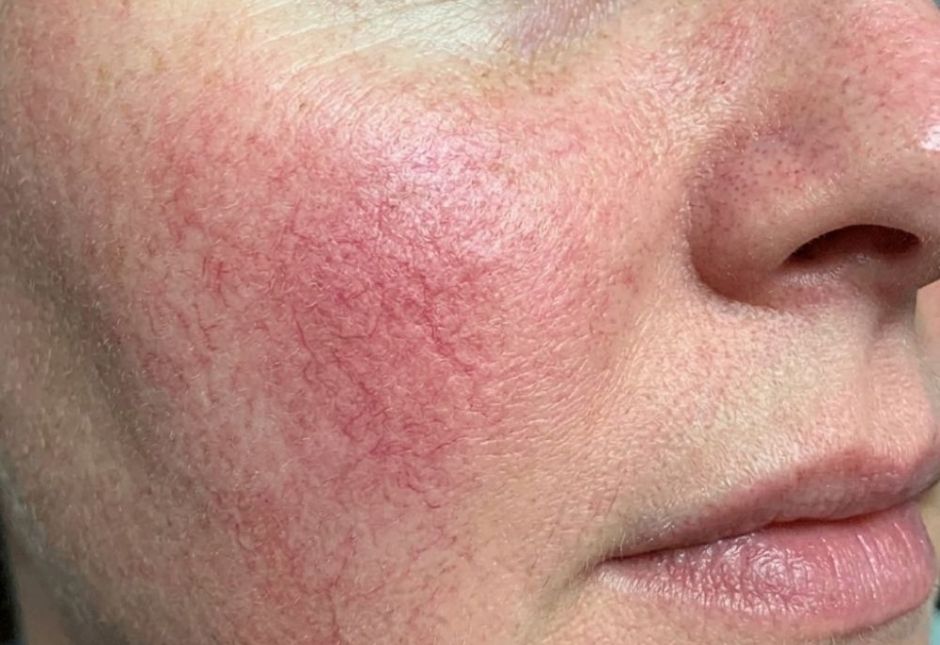
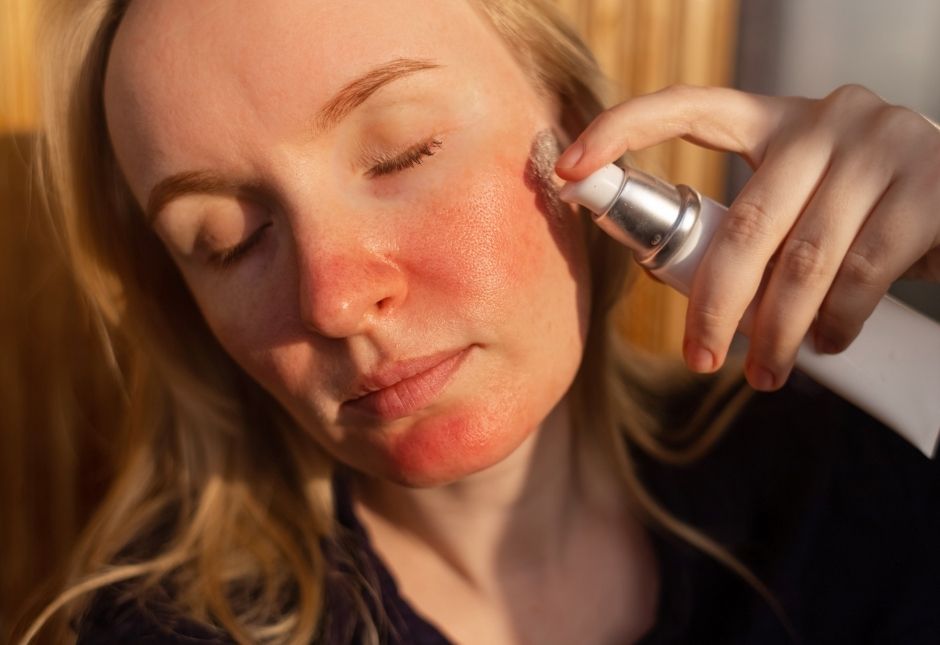
It can cause persistent redness, flushing, visible blood vessels, inflammatory lesions and skin sensitivity. Symptoms can vary between individuals and may fluctuate over time.
Pathogenesis
The exact cause of rosacea is not fully understood.
It is thought to involve a combination of:
- Vascular hyperreactivity — increased reactivity of the blood vessels, contributing to flushing and persistent redness.
- Immune dysregulation and inflammation.
- Demodex overactivity, which may contribute to inflammation in some patients.
Skin barrier dysfunction, resulting in increased sensitivity and irritation.
Types of Rosacea
Rosacea can present in several different clinical forms, including:
Some patients may experience features of more than one subtype.
Contributing Factors
Rosacea can be aggravated by a range of environmental and lifestyle factors. Common triggers include:
Genetic factors and Demodex may also contribute in some individuals.
Grading
Rosacea is assessed according to a number of clinical features, including:
Mild
Trigger avoidance, gentle skincare, metronidazole, azelaic acid, brimonidine/oxymetazoline.
Moderate
Combination topicals, low-dose doxycycline, IPL/vascular lasers.
Moderate–Severe
Ivermectin, prolonged doxycycline, advanced vascular lasers, ocular management.
Severe
Isotretinoin, surgical reshaping for rhinophyma.