Fremantle Skin Cancer Clinic

Comprehensive Care for Your Skin

At Fremantle Skin Cancer Clinic, our doctors have a special interest in skin cancer medicine and no referral necessary. We make it easy for you to have your skin checked.  We perform advanced skin surgery if required.  It’s important to have regular skin check-ups as they could save your life.

Skin Checks | Detection | Diagnosis

Skin Checks | Detection | Diagnosis

Comprehensive skin assessments using cutting-edge technology and expert dermatological knowledge to identify and diagnose all skin cancers and abnormalities accurately.

Treatment of Skin Cancers and Melanomas

Treatment of Skin Cancers and Melanomas

Offering advanced treatment options for all skin cancer types and melanoma, ensuring personalised and efficient care to reduce disease impact and improve patient quality of life.

Post-operative Care

Post-operative Care

Comprehensive aftercare services following surgical procedures to ensure optimum healing, monitor recovery, and prevent complications or recurrence.

Digital Imaging

Digital Imaging

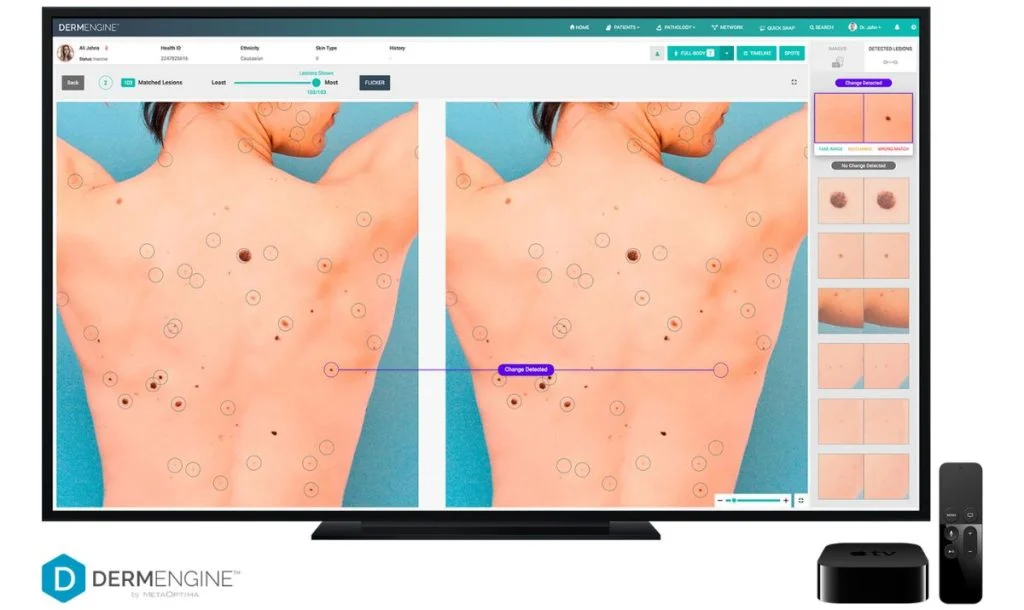
High-resolution digital imaging technology to track changes over time, assist in early detection, and facilitate accurate treatment plans for skin cancers and other skin conditions.

Non-invasive Topical Treatments

Non-invasive Topical Treatments

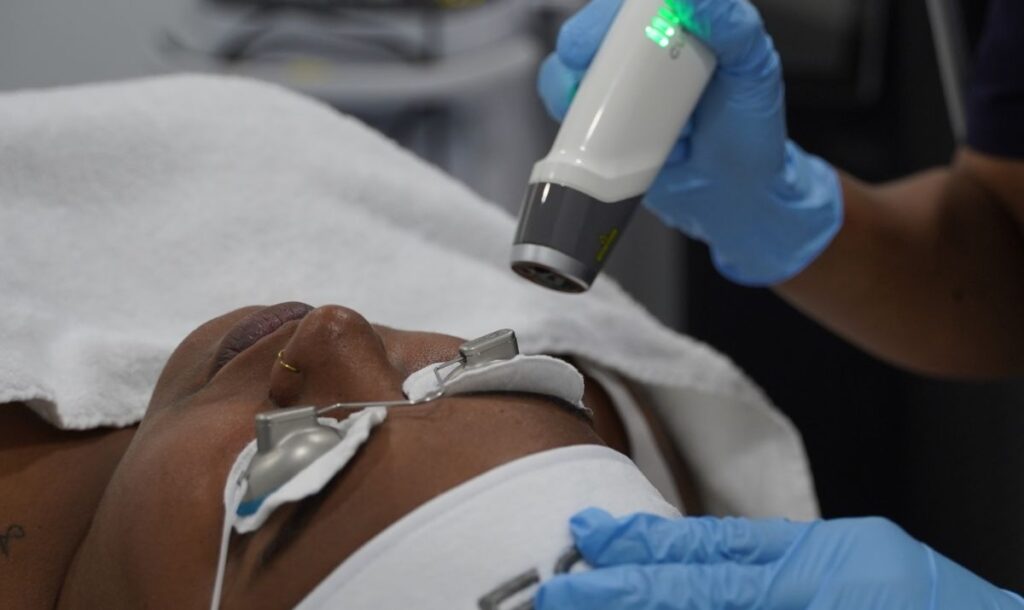
Administration of advanced, non-surgical treatments applied topically to treat pre-cancers, sun damage, and certain types of skin cancers, promoting healing with minimal side effects.

Skin cancer checks

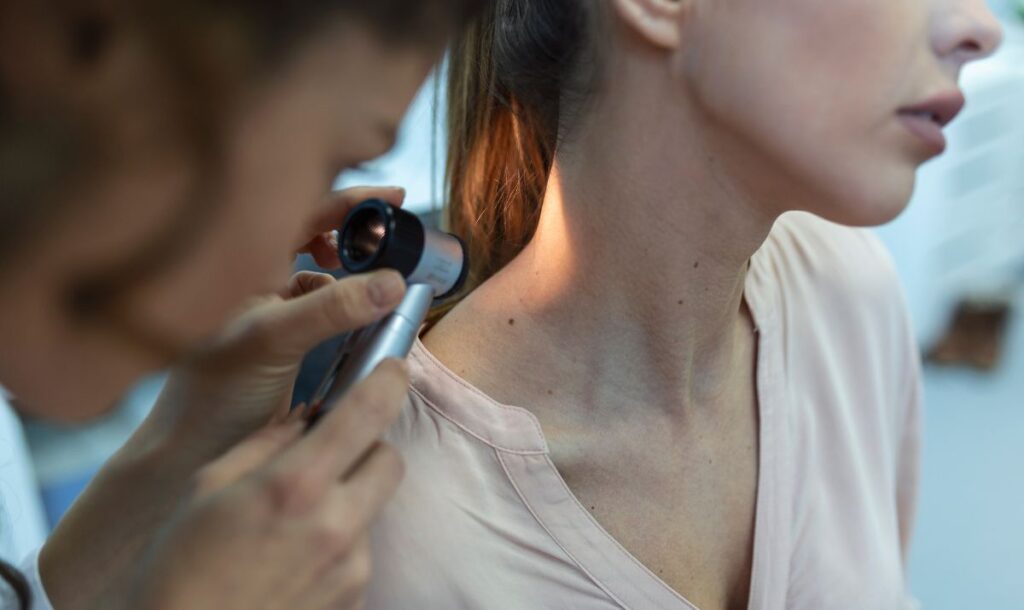
Here at the FSCC, we perform a “gold standard” skin check, using a specialized camera called Dermatoscope which can highlight specific features of the lesion for clinical decision making.

We take digital photographs for any concerning lesions to allow in-depth, high resolution analysis of the lesion, and also stores images for monitoring if required.

Total Body 3D imaging may also be utilised for high risk individuals or at patient request (additional fees apply) – Coming soon

Skin cancer checks

At the end of your skin check your doctor will discuss any suspicious spots they have identified, explain their concerns, and discuss the recommended treatment plan for each spot (see treatments options).

Diagnostics, including biopsy and Digital imaging

Biopsy

Biopsy

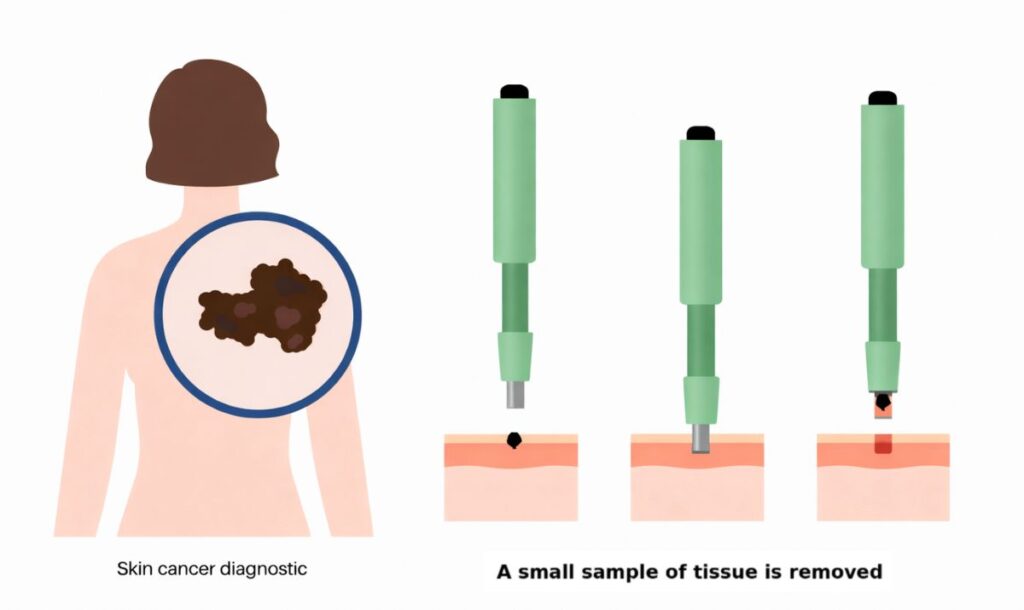
If any suspicious lesion is identified on clinical examination or dermoscopically, then a biopsy may be performed to take a sample (biopsy) for further analysis of the lesion at histopathology lab.

This may include

  • Punch biopsy – taking a circular piece from the lesion of concern, usually around 3-4mm in diameter
  • shave biopsy – this includes shaving off the lesion superficially, using a surgical blade, can be used for clinically superficial lesions
  • Excision biopsy – sometimes its ideal to remove the entire lesion for histopathological examination, especially for moles with concerning features

Biopsy provides useful information regarding the type of skin cancer, the depth of skin cancerand also examine any risk features which allows planning of treatment options and clinical margins if surgery is required.

Digital imaging (photography) of skin lesions

Digital imaging (photography using computers) is an important aid in the monitoring, evaluation and detection of skin cancers. We use digital monitoring to:

  • Closely examine skin lesions at high (30x to 50X) magnification
  • Monitor skin lesions over time, to detect suspicious changes
  • Automatically analyise characteristics of skin lesions such as symmetry, borders, size, presence of suspicious colours and structures
  • Record the location of skin lesions in selected body areas (or the whole body) and pinpoint new or changing skin lesions
Digital imaging (photography) of skin lesions

Based on the photographs of your skin lesions, we can decide whether:

  • there is a reasonable possibility of skin cancer and the spot must be removed
  • the chance of skin cancer is low, and the spot may be kept under observation and re-photographed later.


We use the latest imaging technology which allows us to easily observe the characteristics of your skin lesion and check for changes in your spots over time

Surgical and non-surgical treatments

Non-Surgical treatments

Non-Surgical treatments

Common non-surgical treatments in Skin Cancer care are:

  • Photodynamic Therapy – not available at our clinic
  • Efudix
  • Aldara
  • Cryotherapy


These options can be used for specific type of lesions only, your doctor will discuss this with you for clinically appropriate lesions.

Surgical Treatment

The main aim of surgical treatment for skin cancer is to remove the lesion with appropriate clinical margin. This clinical margin will depend on the type of skin cancer, site and any additional risk feature identified in the biopsy.

The type of surgery will depend on the type of skin cancer, size and its location on the body. This could include:

  • Simple Excision – usually in shape of ellipse
  • Complex Excision – requiring flaps, graft and other complex surgical procedures


Doctors at our clinic are well experienced in simple and complex procedures including flaps and grafts to provide the best possible outcome for our patients.

Surgical Treatment
Follow-up care and wound care

Follow-up care and wound care

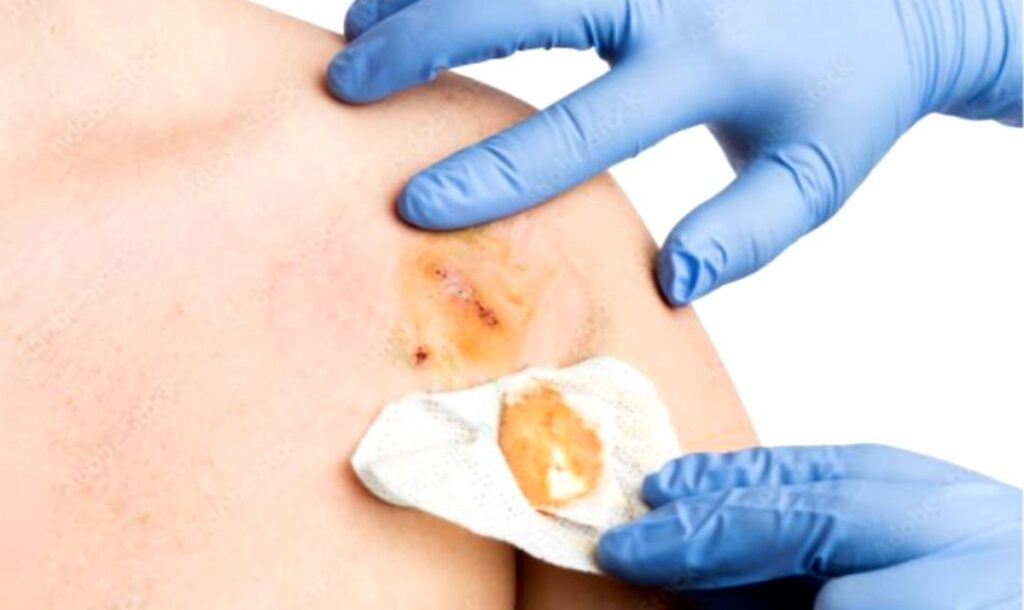
Our experienced nurses will apply appropriate dressing after the surgery and arrange a follow-up appointment for wound review. This might very between 1-5 days depending on the type and complexity of surgery. We will provide you information sheet for your wound care depending on the type of surgery you had.